Before Lesson 01
The two phonetic alphabets
Kana foundations
Learn to recognize the shapes in both directions. Start with hiragana, then use the same sounds to learn katakana.
っ / ッ doubles the next consonant: gakkouゃゅょ / ャュョ combine into sounds such as kyaー lengthens the preceding vowel, especially in katakanaIn hiragana a long vowel is written out: おう or おお for ō (がっこう), and えい is usually ē (せんせい)As particles, は is read wa, へ is read e, and を is read o: わたしは, にほんへ, すしを
Start here
Hiragana
The everyday phonetic script used for grammar endings and many native Japanese words.
Basic 46 mastery · 0 strong0%
Find kana is multiple choice, so it stops at 70%: the last 30% needs the typed Read kana round.
| Row | a | i | u | e | o |
|---|---|---|---|---|---|
| Vowels | あa | いi | うu | えe | おo |
| K | かka | きki | くku | けke | こko |
| S | さsa | しshi | すsu | せse | そso |
| T | たta | ちchi | つtsu | てte | とto |
| N | なna | にni | ぬnu | ねne | のno |
| H | はha | ひhi | ふfu | へhe | ほho |
| M | まma | みmi | むmu | めme | もmo |
| Y | やya | ゆyu | よyo | ||
| R | らra | りri | るru | れre | ろro |
| W | わwa | をwo | |||
| Final n | んn | ||||
Then mirror the sounds
Katakana
The phonetic script used mainly for loanwords, foreign names, sound effects, and emphasis.
Basic 46 mastery · 0 strong0%
Find kana is multiple choice, so it stops at 70%: the last 30% needs the typed Read kana round.
| Row | a | i | u | e | o |
|---|---|---|---|---|---|
| Vowels | アa | イi | ウu | エe | オo |
| K | カka | キki | クku | ケke | コko |
| S | サsa | シshi | スsu | セse | ソso |
| T | タta | チchi | ツtsu | テte | トto |
| N | ナna | ニni | ヌnu | ネne | ノno |
| H | ハha | ヒhi | フfu | ヘhe | ホho |
| M | マma | ミmi | ムmu | メme | モmo |
| Y | ヤya | ユyu | ヨyo | ||
| R | ラra | リri | ルru | レre | ロro |
| W | ワwa | ヲwo | |||
| Final n | ンn | ||||
Lesson 01
Introductions and identity
New Friends
Genki I, 2nd editionVocabulary pp. 34-35, 40-41Grammar pp. 42-45
Vocabulary focus
- Countries and nationalities
- University subjects
- Occupations
- Year in school
- Numbers and ages
- Basic personal information
Main goal
Give a self-introduction and ask basic personal questions without looking at the book.
The main groups follow your Genki I second-edition book and show its printed page number. Words used early in class appear again in this lesson’s additional group with the same mastery, and words absent from Genki I are in a separate group at the bottom. Kanji spellings are shown with furigana even when Genki prints the word in kana; archaic spellings such as 此れ are accepted if you type them but are not taught. Use Prioritize to hold a troublesome word near the front of future rounds; prioritized words also appear in the practice list.
Lesson mastery · 0 strong · 0 practiced0%
Both recall directions count, and each one needs typed recall for its last 30%. Older saved marks provide starting estimates.
| Japanese | Meaning |
|---|---|
| GreetingsGenki 2e p. 34-35 | |
Good morning. | |
Good morning. (polite) | |
| こんにちは | Good afternoon. |
| こんばんは | Good evening. |
| さようなら | Good-bye. |
Good night. | |
Thank you. | |
Thank you. (polite) | |
Excuse me.; I'm sorry. | |
| いいえ | No.; Not at all. |
I'll go and come back. | |
Please go and come back. | |
| ただいま | I'm home. |
Welcome home. | |
Thank you for the meal. (before eating) | |
Thank you for the meal. (after eating) | |
How do you do? | |
Nice to meet you. | |
| Part 1Genki 2e p. 40 | |
| あの | um... |
now | |
English (language) | |
| ええ | yes |
student | |
...language | |
high school | |
P.M. | |
A.M. | |
...years old | |
| ~さん | Mr./Ms.... |
o'clock | |
...people | |
major | |
| Part 2Genki 2e p. 40 | |
teacher; Professor... | |
| そうです | That's right. |
| そうですか | I see.; Is that so? |
college; university | |
telephone | |
friend | |
name | |
what | |
Japan | |
...year student | |
| はい | yes |
half | |
number | |
international student | |
I | |
| CountriesGenki 2e p. 41 | |
| アメリカ | U.S.A. |
| イギリス | Britain |
| オーストラリア | Australia |
Korea | |
| スウェーデン | Sweden |
China | |
| MajorsGenki 2e p. 41 | |
science | |
Asian studies | |
economics | |
international relations | |
| コンピューター | computer |
anthropology | |
politics | |
| ビジネス | business |
literature | |
history | |
| OccupationsGenki 2e p. 41 | |
job; work; occupation | |
doctor | |
office worker | |
high school student | |
housewife | |
graduate student | |
college student | |
lawyer | |
| FamilyGenki 2e p. 41 | |
mother | |
father | |
older sister | |
older brother | |
younger sister | |
younger brother | |
| Extra practice beyond Genki 2e | |
first-year student | |
Japanese person / people | |
one o’clock | |
half past two | |
what time | |
Japanese language | |
number ... | |
| カナダ | Canada |
| インド | India |
| エジプト | Egypt |
| フィリピン | Philippines |
engineering | |
biology | |
| Additional vocabulary from class | |
school | |
police officer | |
| シェフ | chef |
boyfriend | |
she; girlfriend | |
| Teacher additions beyond Genki I | |
| パイロット | pilot |
| エンジニア | engineer |
| ドイツ | Germany |
| イタリア | Italy |
| アルゼンチン | Argentina |
| ブラジル | Brazil |
son | |
daughter | |
grandpa | |
grandma | |
one's own husband | |
one's own wife | |
Teacher material
Reviewed and correctedTeacher rules, references, and practice
These notes mix Lesson 1 material with vocabulary and patterns that Genki introduces later. The vocabulary lives in the tables above, where a word's details show its illustration; this section keeps the teacher's rules, grouped references, and production practice.
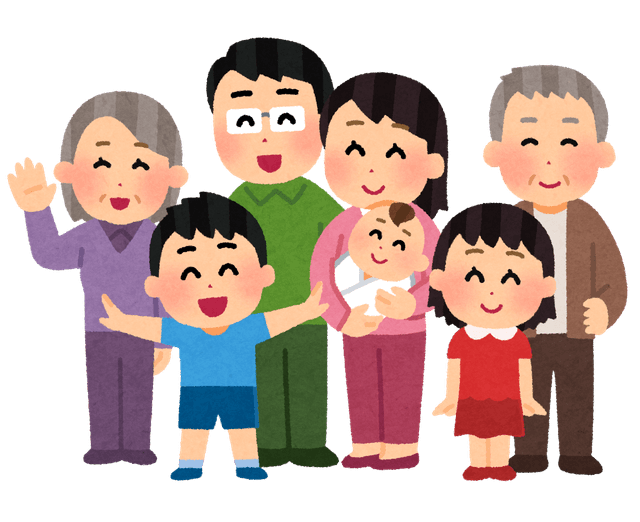
Preview - family words
— family
These notes also introduce the following relationship words early. しゅじん and つま refer to one's own husband and wife; they are not neutral labels for everybody's spouse.
- son
- daughter
- おじいちゃんgrandpa
- おばあちゃんgrandma
- boyfriend
- girlfriend
- one's own husband
- one's own wife
Countries and nationalities
Add 〜じん to a country name to describe nationality: にほんじん means “Japanese person.” Country illustrations open from each word’s details, and teacher-only additions are in the vocabulary table.
Lesson 1 reinforcement
Telling time without guessing the reading
Hours normally use number + じ. Remember the three hours to memorize: 4:00 よじ, 7:00 しちじ, and 9:00 くじ. Put ごぜん (a.m.) or ごご (p.m.) before the time.
3:00 a.m.
9:00 p.m.
Minute readings
Minutes alternate between ふん and ぷん, and several numbers contract. Learn the spoken forms as a set rather than trying to construct each one on the fly. Longer times join the tens to the ones: 45 minutes is よんじゅうごふん. Ask with なんぷん.
1いっぷん
2にふん
3さんぷん
4よんぷん
5ごふん
6ろっぷん
7ななふん
8はっぷん
9きゅうふん
10じゅっぷん/じっぷん
20にじゅっぷん
40よんじゅっぷん
50ごじゅっぷん
30さんじゅっぷん/はん
Early previewContinue in Lesson 2 →
Polite negative nouns
A は X じゃありません means “A is not X.” It is the more formal counterpart of じゃないです, which appears in the Lesson 2 section.
わたしはがくせいじゃありません。I am not a student.
Early preview
From and until with から/まで
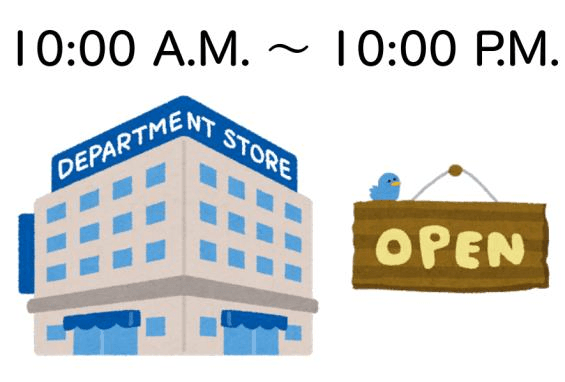
Put から after the starting time and まで after the ending time. Either boundary can also be used by itself.
It is from 10:00 a.m. until 10:00 p.m.
Months
Months use number + がつ. Three months have fixed readings to memorize — April しがつ, July しちがつ, and September くがつ — and they are marked below.
Practice
Opening-hours challenge
Ask and answer without reading the answer key first:
あさごはんはなんじからなんじまでですか。From what time until what time is breakfast?
- Breakfast: 5:30-9:00
- Lunch: 11:30-1:30
- Dinner: 6:00-10:30
Show model answers
Grammar Genki 2e pp. 42-45
A は B です
わたしはアンドレアスです。I am Andreas.
わたしはノルウェーじんです。I am Norwegian.
The topic particle は is written with the kana ha but pronounced wa. The same happens with へ (read e) and を (read o) in Lesson 3.
Questions with か
がくせいですか。Are you a student?
Noun の noun
にほんごのせんせいa Japanese-language teacher
わたしのともだちmy friend
Telling time and age
Hours are the number + じ, with three to memorize: よじ, しちじ, and くじ. Put ごぜん or ごご first. Ages are the number + さい; watch the small っ in いっさい, はっさい, and じゅっさい, and twenty is usually はたち. Phone numbers are read digit by digit, joined with の.
| 1:00 | いちじ |
|---|---|
| 2:00 | にじ |
| 3:00 | さんじ |
| 4:00 | よじ |
| 5:00 | ごじ |
| 6:00 | ろくじ |
| 7:00 | しちじ |
| 8:00 | はちじ |
| 9:00 | くじ |
| 10:00 | じゅうじ |
| 11:00 | じゅういちじ |
| 12:00 | じゅうにじ |
| 1 year old | いっさい |
|---|---|
| 8 years old | はっさい |
| 10 years old | じゅっさい・じっさい |
| 11 years old | じゅういっさい |
| 18 years old | じゅうはっさい |
| 20 years old | はたち・にじゅっさい・にじっさい |
| 21 years old | にじゅういっさい |
| 30 years old | さんじゅっさい・さんじっさい |
Teaching exercise
Explain what は is doing in a sentence, then check yourself.
Show a model answer
は marks the topic: what the sentence is about. わたしはがくせいです means “As for me, (I) am a student.”
Speaking challenge
- Name
- Nationality
- Occupation
- Student / not student
- Age
- Field of study
Lesson review
Before moving on
Give a 30–60 second self-introduction without the book.
- Review every word currently Prioritized.
- Say or write two original sentences using this lesson's grammar.
- Explain one rule or correction without looking at the answer first.
Check yourself
Lesson 1 test
A written paper over this lesson only: kanji, vocabulary both ways, particles and forms, conjugation, and dictation. It is graded when you hand it in, and misses come with an explanation and a way to drill them.
Lesson 02
Objects, places, and prices
Shopping
Genki I, 2nd editionVocabulary pp. 60-61Grammar pp. 62-67
Vocabulary focus
- Everyday objects
- Things you might buy or carry
- Places
- Food
- Money and prices
- Numbers
Best way to practice
Point at real objects nearby and ask questions about them, aloud or in writing.
The main groups follow your Genki I second-edition book and show its printed page number. Words used early in class appear again in this lesson’s additional group with the same mastery, and words absent from Genki I are in a separate group at the bottom. Kanji spellings are shown with furigana even when Genki prints the word in kana; archaic spellings such as 此れ are accepted if you type them but are not taught. Use Prioritize to hold a troublesome word near the front of future rounds; prioritized words also appear in the practice list.
Lesson mastery · 0 strong · 0 practiced0%
Both recall directions count, and each one needs typed recall for its last 30%. Older saved marks provide starting estimates.
| Japanese | Meaning |
|---|---|
| Words that PointGenki 2e p. 60 | |
| これ | this one |
| それ | that one |
| あれ | that one (over there) |
| どれ | which one |
| この | this... |
| その | that... |
| あの | that... (over there) |
| どの | which... |
| ここ | here |
| そこ | there |
| あそこ | over there |
| どこ | where |
who | |
| FoodGenki 2e p. 60 | |
delicious | |
fish | |
pork cutlet | |
meat | |
| メニュー | menu |
vegetable | |
| ThingsGenki 2e p. 60-61 | |
pencil | |
umbrella | |
bag | |
shoes | |
wallet | |
| ジーンズ | jeans |
dictionary | |
bicycle | |
newspaper | |
| Tシャツ | T-shirt |
watch; clock | |
| ノート | notebook |
| ペン | pen |
hat; cap | |
book | |
| PlacesGenki 2e p. 61 | |
cafe | |
bank | |
| トイレ | toilet; restroom |
library | |
post office | |
| Money and ExpressionsGenki 2e p. 61 | |
how much | |
...yen | |
expensive; high | |
| いらっしゃいませ | Welcome (to our store). |
..., please. | |
Please give me... | |
| じゃあ | then...; if that is the case,... |
| どうぞ | Please.; Here it is. |
| どうも | Thank you. |
| Extra practice beyond Genki 2e | |
| スマホ | smartphone; mobile phone |
| Additional vocabulary from class | |
glasses | |
| パソコン | personal computer |
chair | |
desk | |
| テレビ | TV |
Japanese language | |
English (language) | |
doctor | |
name | |
job; work; occupation | |
coming from | |
| Teacher additions beyond Genki I | |
mobile phone | |
key | |
| イヤホン | earphones |
rubbish bin | |
phone number | |
Spanish language | |
French language | |
Chinese language | |
| クリニック | clinic |
Teacher notes
Reviewed and correctedPoint, identify, own, and buy
Objects become a distance system, then a possession and shopping conversation.
One distance system, two shapes
Stands aloneこれ・それ・あれ・どれthis/that/which one
Before a nounこの・その・あの・どの + Nthis/that/which N
これはだれのかさですか。Whose umbrella is this?
そのかさはいくらですか。How much is that umbrella?
の can name an owner—and avoid repetition
A の B means “B associated with A.” When B is already obvious, it can be omitted.
これはメアリーさんのさいふです。This is Mary's wallet.
これはだれのですか。Whose is this?
Ask for a Japanese word with the same で
Here で marks the language used to express something.
How do you say “wallet” in Japanese?
It is “saifu” in Japanese.
Swap in to reuse the question.
Question word + の asks different relationships
whose teacher
teacher of what subject
teacher from or at which place
も changes position with the particle
は・が・を → もに・で → にも・でも
わたしもがくせいです。I am a student too.
としょかんでもべんきょうします。I study at the library too.
Three-pass shop drill
Choose any object: かさ・かぎ・さいふ・とけい・めがね. Point to it, ask whose it is, then ask the price.
- どれですか/どの__ですか。
- だれの__ですか。
- いくらですか。
Number traps to check
Grammar Genki 2e pp. 62-67
これ / それ / あれ / どれ
これはなんですか。What is this?
それはわたしのかさです。That is my umbrella.
この / その / あの / どの + noun
このほんthis book
そのかばんthat bag
Important: この needs a noun after it. これ can stand alone.
ここ / そこ / あそこ / どこ
トイレはどこですか。Where is the restroom?
だれの
これはだれのほんですか。Whose book is this?
も — also
わたしもがくせいです。I am a student too.
じゃないです — is not
これはわたしのじゃないです。This one is not mine.
Sentence endings ね and よ
これはおいしいですね。This is delicious, isn’t it? (seeking agreement)
That watch is 3,000 yen, you know. (giving new information)
ね invites the listener to agree or confirm shared information. よ presents information the speaker thinks the listener does not yet know.
Prices with ~えん
Prices are the number + えん. Three hundreds and two thousands change sound: さんびゃく, ろっぴゃく, はっぴゃく, さんぜん, はっせん. Ten thousand is いちまん, never まん alone. Ask with いくらですか.
| ¥100 | ひゃくえん |
|---|---|
| ¥300 | さんびゃくえん |
| ¥600 | ろっぴゃくえん |
| ¥800 | はっぴゃくえん |
| ¥1,000 | せんえん |
| ¥3,000 | さんぜんえん |
| ¥8,000 | はっせんえん |
| ¥10,000 | いちまんえん |
Object challenge
Choose five objects in the room and answer these prompts:
これはなんですか。What is this?
これはだれのですか。Whose is this?
そのスマホはいくらですか。How much is that smartphone?
Use ridiculous fake prices too. It keeps the exercise fun and gives you number practice.
Lesson review
Before moving on
Reliably distinguish これ from この, ask where something is, and talk about ownership and prices.
- Review every word currently Prioritized.
- Say or write two original sentences using this lesson's grammar.
- Explain one rule or correction without looking at the answer first.
Check yourself
Lesson 2 test
A written paper over this lesson only: kanji, vocabulary both ways, particles and forms, conjugation, and dictation. It is graded when you hand it in, and misses come with an explanation and a way to drill them.
Lesson 03
Daily actions and invitations
Making a Date
This is one of the most important early chapters. Do not rush it.
Genki I, 2nd editionVocabulary pp. 86-87Grammar pp. 88-94
Vocabulary focus
- Eat, drink, see/watch
- Do, go, come, return
- Listen, read, speak
- Places
- Days and time expressions
- Activities
Useful habit
Learn verbs as usable chunks, not isolated dictionary meanings.
たべる → たべます → ごはんをたべますto eat → eat (polite) → eat a meal
The main groups follow your Genki I second-edition book and show its printed page number. Words used early in class appear again in this lesson’s additional group with the same mastery, and words absent from Genki I are in a separate group at the bottom. Kanji spellings are shown with furigana even when Genki prints the word in kana; archaic spellings such as 此れ are accepted if you type them but are not taught. Use Prioritize to hold a troublesome word near the front of future rounds; prioritized words also appear in the practice list.
Lesson mastery · 0 strong · 0 practiced0%
Both recall directions count, and each one needs typed recall for its last 30%. Older saved marks provide starting estimates.
| Japanese | Meaning |
|---|---|
| Entertainment and SportsGenki 2e p. 86 | |
movie | |
music | |
magazine | |
| スポーツ | sports |
| デート | date (romantic, not calendar) |
| テニス | tennis |
| テレビ | TV |
| Food and DrinksGenki 2e p. 86 | |
| アイスクリーム | ice cream |
breakfast | |
sake; alcohol | |
green tea | |
| コーヒー | coffee |
dinner | |
| ハンバーガー | hamburger |
lunch | |
water | |
| Places and TimeGenki 2e p. 86-87 | |
home; house | |
home; house; my place | |
school | |
morning | |
tomorrow | |
| いつ | when |
today | |
at about... | |
tonight | |
weekend | |
Saturday | |
Sunday | |
every day | |
every night | |
| U-verbsGenki 2e p. 87 | |
to go | |
to go back; to return | |
to listen; to hear | |
to drink | |
to speak; to talk | |
to read | |
| Ru-verbs and Irregular verbsGenki 2e p. 87 | |
to get up | |
to eat | |
to sleep; to go to sleep | |
to see; to look at; to watch | |
to come | |
to do | |
to study | |
| AdverbsGenki 2e p. 87 | |
not much | |
not at all | |
usually | |
| ちょっと | a little |
sometimes | |
often; much | |
| Adjectives and ExpressionsGenki 2e p. 87 | |
good | |
early | |
That's right.; Let me see. | |
| でも | but |
| どうですか | How about...?; How is...? |
| Extra practice beyond Genki 2e | |
| カフェ | cafe |
| Additional vocabulary from class | |
to walk | |
| バス | bus |
subway | |
car | |
train | |
bicycle | |
airplane | |
Shinkansen; Bullet Train | |
to write | |
to call | |
to stand up | |
to sit down | |
to ride; to board | |
to meet; to see (a person) | |
to run | |
to wash | |
station | |
ship; boat | |
bus stop | |
meat | |
fish | |
vegetable | |
fruit | |
hospital | |
library | |
park | |
bookstore | |
college; university | |
chopsticks | |
| Teacher additions beyond Genki I | |
| タクシー | taxi |
| サッカーをする | play football |
work | |
do one’s best | |
airport | |
port | |
cinema | |
hand | |
| チョーク | chalk |
| ストロー | drinking straw |
| オンライン | online |
Genki I 2e · Reading & Writing
15 new charactersLesson 3 Kanji
Select a character for its readings, meanings, stroke count, and vocabulary already used elsewhere in this refresher.
Lesson mastery · 0 of 15 strong0%
Choose between four meanings or six kanji, or type an English meaning or Japanese reading. Choosing a meaning alone stops at 70%; the rest needs the meaning typed. Study cards are ungraded.
Teacher notes
Reviewed and correctedBuild a complete outing
Build a complete outing by choosing the particle from the job it performs.
Choose particles by their job
をobjectでaction place / meansに・へdestinationにspecific timeとwith a personから・までstart / end
On Saturday I will go to Osaka with a friend by train.
Watch: durations normally take no に:
で marks both the scene and the means
where an action happensspeak at a café
means, transport, or toolgo by train
I eat fish with chopsticks.
I listen to music with earphones.
から and まで can frame time or a journey
The same start/end frame works for times, dates, and places.
The same に marks two different anchors
time anchoron Monday; at six
movement goalgo to Tokyo
Relative time words normally stand alone: , . The place where an activity happens takes で: .
Frequency predicts the verb ending
いつもよくときどきあまり + negativeぜんぜん + negative
I often eat with a friend.
I never eat alone.
Make the verb stem do two jobs
polite (ます) formremove ますchoose an ending
I am going to the park to read a book.
I want to eat cake.
Preview · Genki 7 purpose of movement. Preview · Genki 11 desire with たい.
Invitation ladder: ask, accept, suggest
- Invite gently
- Accept
- Suggest directly
A polite decline can start with すみません、ちょっと……; the unfinished ending softens the refusal.
Plan one Saturday
Make one sentence for each step. Keep the same outing so the language becomes a mini-story.
- Invite someone with ませんか.
- Accept with ましょう.
- Name the day, companion, transport, destination, and purpose.
- Add what you eat or drink there with を.
Model answer
どようびにいっしょにまちにいきませんか。 いいですね。いきましょう。 どようびにともだちとバスでまちにいきます。 きっさてんでコーヒーをのみます。
Grammar Genki 2e pp. 88-94
Present / future verbs
たべますI eat. / I will eat.
たべませんI do not eat. / I will not eat.
Every verb belongs to one of three types, and the type decides how it changes. A ru-verb ends in -iru or -eru and simply drops る: たべる → たべます. A u-verb moves its last kana to the i-row: のむ → のみます. The two irregular verbs are する → します and くる → きます. Some verbs that end in -iru or -eru are u-verbs anyway (かえる, はいる, しる), so learn the type with the word.
stem + ます / ませんpresent and future, polite
| Verb type | Dictionary form | Polite present (ます) | Polite negative (ません) |
|---|---|---|---|
| u-verb · う | あう | あいます | あいません |
| u-verb · つ | まつ | まちます | まちません |
| u-verb · る | とる | とります | とりません |
| u-verb · む | のむ | のみます | のみません |
| u-verb · ぶ | あそぶ | あそびます | あそびません |
| u-verb · ぬ | しぬ | しにます | しにません |
| u-verb · く | かく | かきます | かきません |
| u-verb · ぐ | およぐ | およぎます | およぎません |
| u-verb · す | はなす | はなします | はなしません |
| exception | いく | いきます | いきません |
| ru-verb | たべる | たべます | たべません |
| irregular | する | します | しません |
| irregular | くる | きます | きません |
を — direct object
ラーメンをたべます。I eat ramen.
で — where an action happens
としょかんでべんきょうします。I study at the library.
に / へ — destination
がっこうにいきます。I go to school.
Time + に
しちじにおきます。I get up at seven.
Words like きょう, あした, and まいにち generally do not need に.
Frequency
- よくoften
- ときどきsometimes
- あまり + negativenot much
- ぜんぜん + negativenot at all
Invitations
えいがをみませんか。Would you like to watch a movie?
いっしょにいきましょう。Let’s go together.
Teaching exercise
Explain the difference between に and で in the two sentences below, then check yourself.
Show a model answer
に marks where you are going (the destination); で marks where an action takes place.
としょかんにいきます。I go to the library.
としょかんでべんきょうします。I study at the library.
Speaking challenge: plan a Saturday
なんじにおきますか。What time do you get up?
どこにいきますか。Where are you going?
なにをたべますか。What are you going to eat?
どこでたべますか。Where are you going to eat?
えいがをみませんか。Would you like to watch a movie?
Lesson review
Before moving on
you can combine verbs with を・で・に and make simple plans without constantly checking particle rules.
- Review every word currently Prioritized.
- Say or write two original sentences using this lesson's grammar.
- Explain one rule or correction without looking at the answer first.
Check yourself
Lesson 3 test
A written paper over this lesson only: kanji, vocabulary both ways, particles and forms, conjugation, and dictation. It is graded when you hand it in, and misses come with an explanation and a way to drill them.
Lesson 04
Locations and the past
First Date
Genki I, 2nd editionVocabulary pp. 104-106Grammar pp. 107-113
Vocabulary focus
- People
- Locations
- Position words
- Activities and events
- Common verbs
Position words
みぎ・ひだり・まえ・うしろ・なか・うえ・した
The main groups follow your Genki I second-edition book and show its printed page number. Words used early in class appear again in this lesson’s additional group with the same mastery, and words absent from Genki I are in a separate group at the bottom. Kanji spellings are shown with furigana even when Genki prints the word in kana; archaic spellings such as 此れ are accepted if you type them but are not taught. Use Prioritize to hold a troublesome word near the front of future rounds; prioritized words also appear in the practice list.
Lesson mastery · 0 strong · 0 practiced0%
Both recall directions count, and each one needs typed recall for its last 30%. Older saved marks provide starting estimates.
| Japanese | Meaning |
|---|---|
| People and ThingsGenki 2e p. 104 | |
you | |
chair | |
dog | |
souvenir | |
child | |
rice; meal | |
picture; photograph | |
desk | |
letter | |
cat | |
| パン | bread |
person | |
| メール | e-mail |
| Activities and PlacesGenki 2e p. 104 | |
| アルバイト | part-time job |
shopping | |
| クラス | class |
temple | |
park | |
| スーパー | supermarket |
| デパート | department store |
bus stop | |
hospital | |
| ホテル | hotel |
bookstore | |
town; city | |
| レストラン | restaurant |
| TimeGenki 2e p. 105 | |
yesterday | |
...hours | |
one hour | |
last week | |
when...; at the time of... | |
Monday | |
Tuesday | |
Wednesday | |
Thursday | |
Friday | |
| U-verbs and Ru-verbsGenki 2e p. 105 | |
to meet; to see (a person) | |
there is... | |
to buy | |
to write | |
to take (a picture) | |
to wait | |
to understand | |
(a person) is in...; stays at... | |
| Adverbs and ExpressionsGenki 2e p. 105 | |
about (approximate measurement) | |
I'm sorry. | |
| だから | so; therefore |
many; a lot | |
| ~と | together with (a person) |
| どうして | why |
alone | |
| Location WordsGenki 2e p. 106 | |
right | |
left | |
front | |
back | |
inside | |
on | |
under | |
near; nearby | |
next to; beside | |
between | |
| Extra practice beyond Genki 2e | |
| レポート | (term) paper |
| Additional vocabulary from class | |
home; house | |
to eat | |
to sleep; to go to sleep | |
to take a bath | |
to study | |
room | |
probably; maybe | |
| それから | and then |
(do something) late | |
homework | |
| Teacher additions beyond Genki I | |
| テーブル | table |
living room | |
| ベンチ | bench |
a lot; full | |
a little; a few | |
definitely | |
shop; store | |
Genki I 2e · Reading & Writing
14 new charactersLesson 4 Kanji
Select a character for its readings, meanings, stroke count, and vocabulary already used elsewhere in this refresher.
Lesson mastery · 0 of 14 strong0%
Choose between four meanings or six kanji, or type an English meaning or Japanese reading. Choosing a meaning alone stops at 70%; the rest needs the meaning typed. Study cards are ungraded.
Teacher notes
Reviewed and correctedPlace the scene, then tell what happened
Place things in a scene, move into the past, then tell a short connected story.
Existence is a scene-building pattern
Place に thing が ありますPlace に person/animal が います
asks for the unknown thing. Use います for people and animals; plants such as trees conventionally take あります.
There is a bag under the desk.
いすのとなりにねこがいます。There is a cat next to the chair.
Known thing with は; discovered thing with が
Where is the phone?
What is behind the computer?
There are glasses behind the computer.
Question words such as normally take が when they are the unknown subject.
Turn the scene into yesterday
did〜ましたdid not〜ませんでしたwasでしたwas notじゃなかったです
Duration is an amount, not a clock time
Do not add に after a duration. means “and a half”; ぐらい makes the amount approximate.
Give the story an order
before N after NN のとき when/during N
These noun patterns are useful now; verb-based time clauses need later grammar.
When I was a child, I did not wear glasses.
I drink water before the test.
I study alone after class.
Small words that make a story sound connected
いっぱい/たくさん a lot a little definitelyたぶん probablyそれから after that late
Mary's weekend reconstruction
Use the story as a memory outline rather than translating it word for word.
- Friday: friend → park → restaurant
- Saturday: alone → temple → shops → bought a bag
- Sunday: woke late → read → lunch with mother → studied
Questions to answer in Japanese
Weekend postcard
Write four short sentences in this order: where you were, what existed there, what you did, and how long you stayed.
Grammar Genki 2e pp. 107-113
あります vs います
ねこがいます。There is a cat.
テーブルがあります。There is a table.
Describing locations
つくえのうえにほんがあります。There is a book on the desk.
Break the structure into pieces:
つくえ / の / うえ / に / ほん / が / ありますdesk / の / top / に / book / が / exists
Try it: around the table

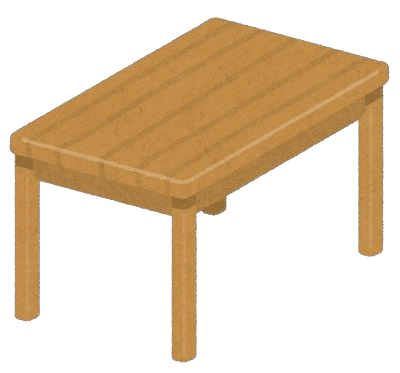

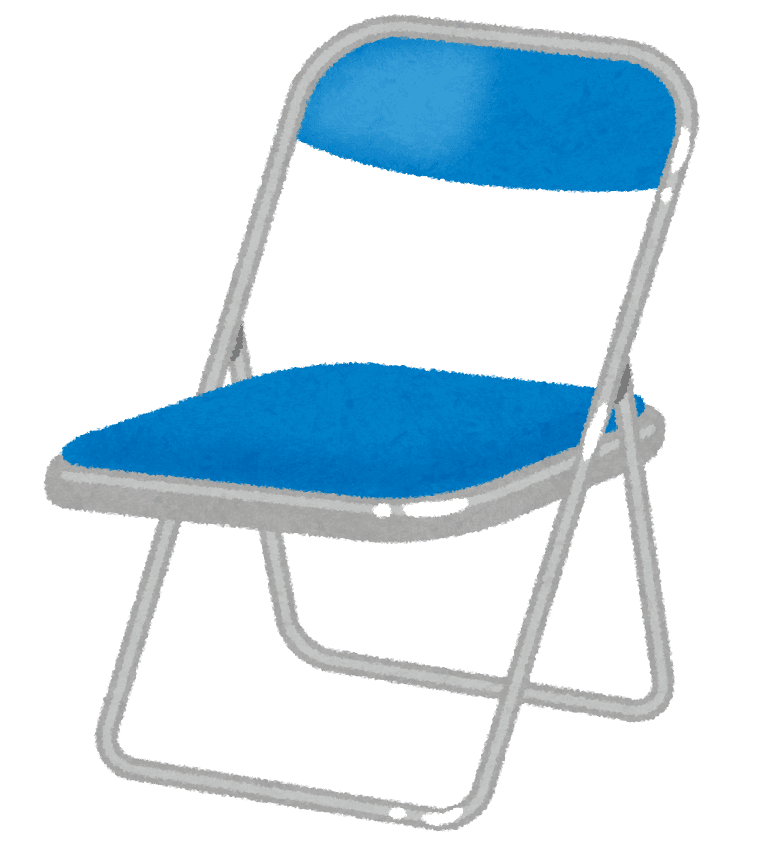
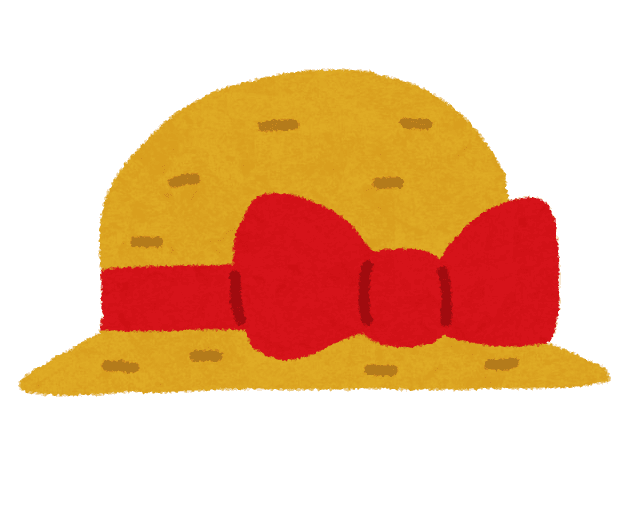
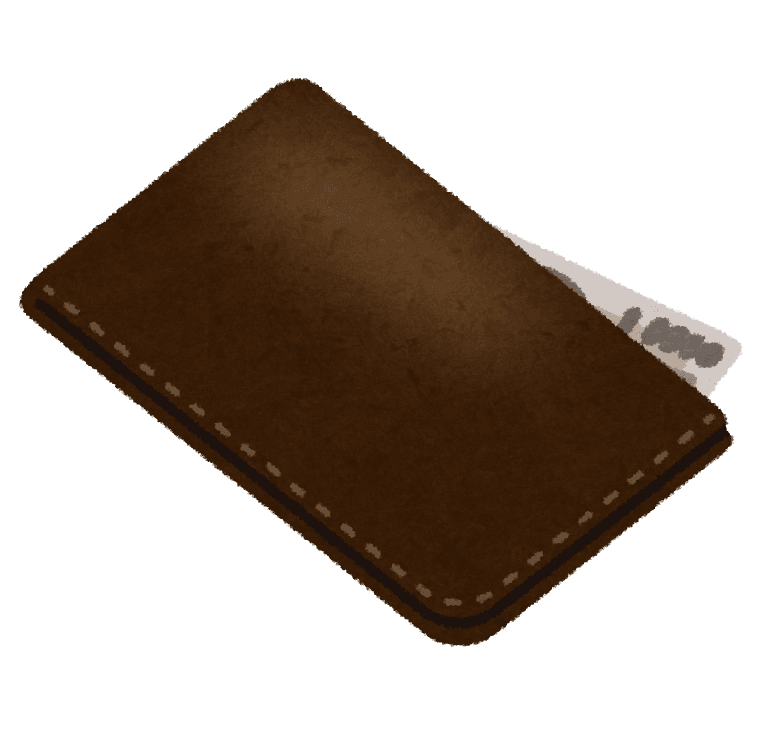
✗ としょかんにべんきょうします。
✓ としょかんでべんきょうします。
に marks where something exists (としょかんにいます); で marks where an action happens.
Past tense
たべました。I ate.
いきました。I went.
たべませんでした。I did not eat.
stem + ました / ませんでしたpast, polite
| Verb type | Dictionary form | Polite past (ました) | Polite past negative (ませんでした) |
|---|---|---|---|
| u-verb · う | あう | あいました | あいませんでした |
| u-verb · つ | まつ | まちました | まちませんでした |
| u-verb · る | とる | とりました | とりませんでした |
| u-verb · む | のむ | のみました | のみませんでした |
| u-verb · ぶ | あそぶ | あそびました | あそびませんでした |
| u-verb · ぬ | しぬ | しにました | しにませんでした |
| u-verb · く | かく | かきました | かきませんでした |
| u-verb · ぐ | およぐ | およぎました | およぎませんでした |
| u-verb · す | はなす | はなしました | はなしませんでした |
| exception | いく | いきました | いきませんでした |
| ru-verb | たべる | たべました | たべませんでした |
| irregular | する | しました | しませんでした |
| irregular | くる | きました | きませんでした |
Past noun sentences
がくせいでした。I was a student.
がくせいじゃなかったです。I was not a student.
も after other particles (にも・でも)
も (“too”) replaces は, が, and を, but it is added after に and で.
たけしさんはどようびにいきます。にちようびにもいきます。Takeshi goes on Saturdays. He goes on Sundays too.
うちでべんきょうします。としょかんでもべんきょうします。I study at home. I study at the library too.
コーヒーをのみます。おちゃものみます。I drink coffee. I drink green tea too.
Early preview: a question word plus も and a negative means “not any…”: なにもたべませんでした (I did not eat anything), どこにもいきませんでした (I did not go anywhere). Genki teaches these in Lesson 8 and Lesson 10.
たくさん — a lot
こうえんにこどもがたくさんいます。There are a lot of children in the park.
きのうしゃしんをたくさんとりました。I took a lot of pictures yesterday.
noun が/を + たくさん + verba large amount, placed before the verb like a number
と — together with
ともだちとえいがをみました。I watched a movie with a friend.
パンとコーヒーをかいました。I bought bread and coffee.
person と + verb · noun と noundoing something with someone; joining two nouns
Duration with
Mary stayed there for two hours.
A duration normally stands on its own; do not add に after it.
Room-description challenge
Describe your room. Then deliberately write or say incorrect statements and correct them.
テレビのまえにテーブルがあります。There is a table in front of the TV.
ソファーのうえにねこがいます。There is a cat on the sofa.
テレビのうえにれいぞうこがあります。 ← probably wrong!There is a fridge on top of the TV. ← probably wrong!
Then switch to yesterday:
きのうなにをしましたか。What did you do yesterday?
Lesson review
Before moving on
you can locate people and objects naturally and talk about what happened yesterday using past tense.
- Review every word currently Prioritized.
- Say or write two original sentences using this lesson's grammar.
- Explain one rule or correction without looking at the answer first.
Check yourself
Lesson 4 test
A written paper over this lesson only: kanji, vocabulary both ways, particles and forms, conjugation, and dictation. It is graded when you hand it in, and misses come with an explanation and a way to drill them.
Lesson 05
Descriptions and preferences
A Trip to Okinawa
This is the main early chapter for describing things and people.
Genki I, 2nd editionVocabulary pp. 130-131Grammar pp. 132-136
い-adjectives
おおきい・ちいさい・あたらしい・ふるい・おもしろい・たのしい
な-adjectives
しずか・きれい・げんき
The main groups follow your Genki I second-edition book and show its printed page number. Words used early in class appear again in this lesson’s additional group with the same mastery, and words absent from Genki I are in a separate group at the bottom. Kanji spellings are shown with furigana even when Genki prints the word in kana; archaic spellings such as 此れ are accepted if you type them but are not taught. Use Prioritize to hold a troublesome word near the front of future rounds; prioritized words also appear in the practice list.
Lesson mastery · 0 strong · 0 practiced0%
Both recall directions count, and each one needs typed recall for its last 30%. Older saved marks provide starting estimates.
| Japanese | Meaning |
|---|---|
| NounsGenki 2e p. 130 | |
sea | |
postal stamps | |
ticket | |
| サーフィン | surfing |
homework | |
food | |
birthday | |
| テスト | test |
weather | |
drink | |
postcard | |
| バス | bus |
airplane | |
room | |
I (used by men) | |
holiday; day off; absence | |
travel | |
| い-adjectivesGenki 2e p. 130-131 | |
new | |
hot (weather) | |
hot (thing) | |
busy (people/days) | |
large | |
interesting; funny | |
good-looking | |
frightening | |
cold (weather) | |
fun | |
small | |
boring | |
old (thing) | |
difficult | |
| やさしい | easy (problem); kind (person) |
inexpensive; cheap (thing) | |
| な-adjectivesGenki 2e p. 131 | |
disgusted with; to dislike | |
beautiful; clean | |
healthy; energetic | |
quiet | |
fond of; to like | |
to hate | |
very fond of; to love | |
lively | |
not busy; to have a lot of free time | |
| Verbs and ExpressionsGenki 2e p. 131 | |
to swim | |
to ask | |
to ride; to board | |
to do; to perform | |
to go out | |
together | |
extremely | |
| それから | and then |
It's okay.; Not to worry.; Everything is under control. | |
| とても | very |
| どんな | what kind of... |
[counter for flat objects] | |
to (a place); as far as (a place); till (a time) | |
| Extra practice beyond Genki 2e | |
fruit | |
| Lサイズ(エルサイズ) | size L |
| Additional vocabulary from class | |
good | |
bad | |
town; city | |
temple | |
movie | |
cute | |
kind | |
expensive; high | |
easy; simple | |
delicious | |
fast | |
skillful; good at | |
clumsy; poor at | |
cooking; dish | |
song | |
picture; photograph | |
| Teacher additions beyond Genki I | |
problem | |
important | |
grammar | |
classroom | |
Mt. Fuji | |
Shibuya | |
picture; drawing | |
triangle | |
Genki I 2e · Reading & Writing
14 new charactersLesson 5 Kanji
Select a character for its readings, meanings, stroke count, and vocabulary already used elsewhere in this refresher.
Lesson mastery · 0 of 14 strong0%
Choose between four meanings or six kanji, or type an English meaning or Japanese reading. Choosing a meaning alone stops at 70%; the rest needs the meaning typed. Study cards are ungraded.
Teacher notes
Reviewed and correctedDescribe, react, and share preferences
Describe, compare, react, and finally talk about preferences and ability.
Identify the adjective family first
い-adjectiveい stays before a noun
な-adjectiveしずかなまちadd な before a noun
どんな + noun asks what kind. どの + noun asks which one from a known set.
Special: いい becomes よくない and よかった, following its older form よい.
Conjugation grid—with the common trap fixed
present +present −past +past −いあついですあつくないですあつかったですあつくなかったですなしずかですしずかじゃないですしずかでしたしずかじゃなかったです
Not: あつくないでした. Use あつくなかったです or あつくありませんでした.
Degree words come before the adjective
とてもまあまああまり + negativeぜんぜん + negative
What you like or do well takes が
I like Japanese movies.
Tanaka is good at cooking.
X には Y があります/います
Quantity words sit before the verb: , , .
Two counter ladders worth memorizing as sets
general objects · いくつ
The native つ ladder ends at とお.people ·
ひとり・ふたり・よにん are the main traps.どんな, どの, or いくつ?
Pick the question word from what the listener must supply.
- type or character → どんな
- one member of a visible set → どの + noun
- number of general objects → いくつ
Model questions
Watt-sensei profile reading
Rebuild the teacher profile from its information blocks: transport, workplace, lunch place, and opinion of the job.
- red car → university
- cafeteria → lunch → lively from noon to one
- food → delicious and inexpensive
- work → busy but enjoyable
Use でも to contrast two descriptions without cancelling the first one.
Describe the same thing three ways
Choose your town, a film, a class, or a meal.
- Describe it now.
- Say what it was like in the past.
- Say whether you like it, then ask
Model answer
わたしのまちはにぎやかです。 まえはしずかでした。 このまちがすきです。どんなまちがすきですか。
Three scenarios
Keep each cluster of notes together and turn every note into a sentence.
Grammar Genki 2e pp. 132-136
Adjective + noun
おいしいラーメンdelicious ramen
きれいなまちa beautiful town
い-adjective forms
| Form | Example | Meaning |
|---|---|---|
| Present | おいしいです | It is delicious. |
| Negative | おいしくないです | It is not delicious. |
| Past | おいしかったです | It was delicious. |
| Past negative | おいしくなかったです | It was not delicious. |
な-adjective forms
| Form | Example | Meaning |
|---|---|---|
| Present | しずかです | It is quiet. |
| Negative | しずかじゃないです | It is not quiet. |
| Past | しずかでした | It was quiet. |
| Past negative | しずかじゃなかったです | It was not quiet. |
Try it: describe the picture
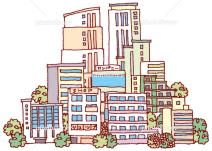
Describe this city in two or three sentences, with い- and な-adjectives.
✗ いいくないです
✓ よくないです
いい conjugates from よい: よくない, よかった, よくなかった.
✗ きれくないです
✓ きれいじゃないです
きれい, きらい and ゆうめい end in い but are な-adjectives.
わたしはねこがすきです。I like cats.
Counting flat things with ~まい
きってをにまいください。Two stamps, please.
Tシャツをさんまいかいました。I bought three T-shirts.
noun を + number まい + verbpaper, tickets, stamps, shirts: thin, flat things
Making a suggestion with ~ましょう
いっしょにしゃしんをとりましょう。Let’s take a picture together.
Use a verb stem plus ましょう to propose doing something together.
Teaching exercise
Explain why these are different:
きれいなまちa beautiful town
おもしろいまちan interesting town
Show a model answer
きれい is a な-adjective, so it needs な before a noun. おもしろい is an い-adjective and goes straight before the noun.
Lesson review
Before moving on
you can describe places, food, people, and experiences while correctly switching between い- and な-adjectives.
- Review every word currently Prioritized.
- Say or write two original sentences using this lesson's grammar.
- Explain one rule or correction without looking at the answer first.
Check yourself
Lesson 5 test
A written paper over this lesson only: kanji, vocabulary both ways, particles and forms, conjugation, and dictation. It is graded when you hand it in, and misses come with an explanation and a way to drill them.
Lesson 06
Actions that connect
A Day in Robert’s Life
Genki I, 2nd editionVocabulary pp. 148-149Grammar pp. 150-155
Main grammar
- Verb て-form
- Requests and permission
- Rules, reasons, and offers
Speaking goal
Explain a routine, ask someone to do something, and discuss what is allowed.
The main groups follow your Genki I second-edition book and show its printed page number. Words used early in class appear again in this lesson’s additional group with the same mastery, and words absent from Genki I are in a separate group at the bottom. Kanji spellings are shown with furigana even when Genki prints the word in kana; archaic spellings such as 此れ are accepted if you type them but are not taught. Use Prioritize to hold a troublesome word near the front of future rounds; prioritized words also appear in the practice list.
Lesson mastery · 0 strong · 0 practiced0%
Both recall directions count, and each one needs typed recall for its last 30%. Older saved marks provide starting estimates.
| Japanese | Meaning |
|---|---|
| NounsGenki 2e p. 148 | |
money | |
bath | |
kanji; Chinese character | |
textbook | |
this week | |
| シーディー | CD |
municipal hospital | |
| シャワー | shower |
next (in order) | |
electricity | |
train | |
baggage | |
| パソコン | personal computer |
| ページ | page |
window | |
night | |
next week | |
next year | |
| な-adjective and U-verbsGenki 2e p. 148-149 | |
tough (situation) | |
to play; to spend time pleasantly | |
to hurry | |
to take a bath | |
to return (a thing) | |
to turn off; to erase | |
to die | |
to sit down | |
to stand up | |
to smoke | |
to use | |
to help | |
to enter | |
to carry; to hold | |
to be absent (from...); to rest | |
| Ru-verbs and Irregular VerbsGenki 2e p. 149 | |
to open (something) | |
to teach; to instruct | |
to get off | |
to borrow | |
to close (something) | |
to take a shower | |
to turn on | |
to make a phone call | |
to forget; to leave behind | |
to bring (a person) | |
to bring (a thing) | |
| Adverbs and Other ExpressionsGenki 2e p. 149 | |
later on | |
(do something) late | |
| ~から | ...because |
That would be fine.; That wouldn't be necessary. | |
right away | |
Really? | |
| ゆっくり | slowly; leisurely; unhurriedly |
| Extra practice beyond Genki 2e | |
| エアコン | air conditioner |
| Additional vocabulary from class | |
letter | |
to take (a picture) | |
to take (a thing) | |
weather | |
sea | |
to swim | |
mountain | |
fun | |
to go out | |
red | |
cafeteria; dining commons | |
medicine | |
holiday; day off; absence | |
to say | |
| じゃあ | then...; if that is the case,... |
homework | |
[counter for flat objects] | |
travel | |
| シャツ | shirt |
| パン | bread |
| カメラ | camera |
to sing | |
to do laundry | |
to drive | |
to clean | |
to get to know | |
to put on (clothes above your waist) | |
to live | |
to get married | |
to get tired | |
to put on (items below your waist) | |
to put on (a hat) | |
to put on (glasses) | |
every day | |
yesterday | |
today | |
tomorrow | |
the day after tomorrow | |
every week | |
last week | |
last month | |
this month | |
next month | |
last year | |
this year | |
| Teacher additions beyond Genki I | |
castle | |
| ドア | door |
fire | |
box | |
Okinawa | |
lend | |
take a person or animal along | |
tidy up | |
smoke; inhale | |
| なら | if it is; as for that option |
street; road | |
elementary school | |
counter for machines and vehicles | |
paper | |
| ビスケット | biscuit; cookie |
| ポスター | poster |
| チョコレート | chocolate |
refrigerator | |
| バイク | motorbike |
calculator | |
plan; schedule | |
| つける | put on an accessory |
the day before yesterday | |
the week before last | |
the week after next | |
every month | |
the month before last | |
the month after next | |
every year | |
the year before last | |
the year after next | |
Genki I 2e · Reading & Writing
15 new charactersLesson 6 Kanji
Select a character for its readings, meanings, stroke count, and vocabulary already used elsewhere in this refresher.
Lesson mastery · 0 of 15 strong0%
Choose between four meanings or six kanji, or type an English meaning or Japanese reading. Choosing a meaning alone stops at 70%; the rest needs the meaning typed. Study cards are ungraded.
Teacher notes
Reviewed and correctedOne hook, six useful interactions
Form the て-form once, then reuse it for a chain of increasingly useful interactions.
The て-form sound-family sheet
Identify the verb type first. For a u-verb, use the sound immediately before ます to choose the row.
します → して
き → いて
ぎ → いで
し → して
び・み・に → んで
い・ち・り → って
Red-circle exceptionnot
Verb type comes first: endings alone are not enough. is a u-verb, but is a ru-verb; is a u-verb, but is a ru-verb.
Cover the answers: convert these six
Answers
- Connect
- Request
- Ask permission
- Give permission
- Prohibit
- Offer helpLesson 6: ましょうか
The last verb carries the tense
The て-form links actions; only the final verb tells you when the whole chain happens.
I wake up and go to the bathroom.
I woke up and went to the bathroom.
Use て to connect verbs. と connects nouns, not two verb clauses.
Action-chain drill
Answer with at least two actions joined by て. Add a third action once the two-action version is fluent.
Requests: choose the action, then add ください
Parent, doctor, and boss situations show how the same grammar changes tone with relationship and context.
Change the speaker, change the request
Keep the teacher’s two situations: formulate several requests that fit the relationship.
manager → struggling employeebe on time; write the email or report; do your best
doctor → patienttake medicine; rest; sleep; wash hands; eat vegetables
More model requests
まいにちメールをかいてください。 がんばってください。 てをあらってください。 やさいをたべてください。
Permission is a complete mini-conversation
- ask
- permitよ presents the permission as new information.
- refuse softlyすみません、ちょっと……。
- ask for an alternative
- limit with ならoutside, if that is the option
Seven permission situations
Use a level of politeness suitable for a teacher or a friend. If refusing, offer a workable alternative with なら.
- leave class for the bathroom
- go home because you feel ill
- bring forgotten homework tomorrow
- ask how to phrase something in Japanese
- borrow a friend’s notebook
- turn on the light in a dark room
- bring another friend to a party
Rules and reasons work together
prohibitionmust not smoke here
reason → resultbecause it is hot, please open the window
Ask for the reason with どうして. Put から after the reason clause.
ましょうか offers help; it does not merely suggest
Shall I help?
Shall I turn on the light?
accept decline
The noun chooses the counter
flat/thin thingspaper, shirts, posters, tickets
machines/vehiclescars, cameras, refrigerators, calculators
Move across time with one reusable grid
everybefore lastlastthisnextafter nextdayweekmonthyear
Complete-sentence refresh questions
ています has three readings of the situation
right now
habit / work
resulting state
means “know” as a present state; its negative is normally .
I was eating dinner at eight yesterday.
I study Japanese every day.
Professor Yamashita is married.
got marriedis marriedsat downis seatedbought a carowns a carwoke upis awake
Clothing verbs become visible states with ています
That child is wearing jeans.
Permission desk role-play
For each situation, ask permission. The partner permits it, refuses softly, or gives a different allowed place/time.
- leave class for the bathroom
- borrow a friend's notes
- take a photo
- use a phone here
ちょっと……。ロビーならいいですよ。 is a natural soft refusal plus alternative.
Two travel readings, kept as readings
Read for a route and impression first; then retell without looking.
Vienna SNS postcold, beautiful town → old castle → many photos → classical concert → cafés, coffee, and cake
Okinawa lettergood weather → swam with a friend → mountain with new companions → fun days and favourite food
Retelling frame
Grammar Genki 2e pp. 150-155
Verb て-form
たべる → たべてeat → て-form
よむ → よんでread → て-form
いく → いってgo → て-form (irregular pattern)
する → して / くる → きてdo / come → て-form
Ru-verbs drop る and add て. U-verbs follow their last kana: う・つ・る → って, む・ぶ・ぬ → んで, く → いて, ぐ → いで, す → して. いく is the one exception: いって.
| Verb type | Dictionary form | て-form |
|---|---|---|
| u-verb · う | あう | あって |
| u-verb · つ | まつ | まって |
| u-verb · る | とる | とって |
| u-verb · む | のむ | のんで |
| u-verb · ぶ | あそぶ | あそんで |
| u-verb · ぬ | しぬ | しんで |
| u-verb · く | かく | かいて |
| u-verb · ぐ | およぐ | およいで |
| u-verb · す | はなす | はなして |
| exception | いく | いって |
| ru-verb | たべる | たべて |
| irregular | する | して |
| irregular | くる | きて |
Requests and sequences
まどをあけてください。Please open the window.
あさごはんをたべて、がっこうにいきます。I eat breakfast and then go to school.
て-form + くださいa polite request
て-form, … (last verb carries the tense)one action, then the next
Try it: describe the picture
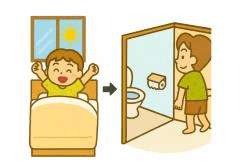
Say what happens in the two pictures, in order, in one sentence with a て-form.
Permission and prohibition
ここですわってもいいですか。May I sit here?
ここでたばこをすってはいけません。You must not smoke here.
て-form + もいいです(か)giving or asking permission
て-form + はいけませんsaying something is not allowed
Giving a reason with から
あしたテストがありますから、べんきょうします。I will study because there is a test tomorrow.
reason + から, resultthe reason comes first
Offering help with ましょうか
にもつをもちましょうか。Shall I carry your luggage?
stem + ましょうかoffering to do something for someone
Permission uses 〜てもいいです. A rule against something uses 〜てはいけません.
Lesson review
Before moving on
you can form common て-forms, make a polite request, ask permission, state a rule, and offer practical help.
- Review every word currently Prioritized.
- Say or write two original sentences using this lesson's grammar.
- Explain one rule or correction without looking at the answer first.
Check yourself
Lesson 6 test
A written paper over this lesson only: kanji, vocabulary both ways, particles and forms, conjugation, and dictation. It is graded when you hand it in, and misses come with an explanation and a way to drill them.
Lesson 07
People, families, and ongoing states
Family Picture
Genki I, 2nd editionVocabulary pp. 168-169Grammar pp. 170-175
Main grammar
- Two meanings of 〜ている
- Describing appearance
- Joining descriptions
Speaking goal
Introduce relatives and describe what people look like, wear, and do.
The main groups follow your Genki I second-edition book and show its printed page number. Words used early in class appear again in this lesson’s additional group with the same mastery, and words absent from Genki I are in a separate group at the bottom. Kanji spellings are shown with furigana even when Genki prints the word in kana; archaic spellings such as 此れ are accepted if you type them but are not taught. Use Prioritize to hold a troublesome word near the front of future rounds; prioritized words also appear in the practice list.
Lesson mastery · 0 strong · 0 practiced0%
Both recall directions count, and each one needs typed recall for its last 30%. Older saved marks provide starting estimates.
| Japanese | Meaning |
|---|---|
| Nouns 1Genki 2e p. 168 | |
(my) older sister | |
| アパート | apartment |
younger sister | |
song | |
grandfather; old man | |
younger brother | |
man | |
older brother | |
older sister | |
grandmother; old woman | |
woman | |
company | |
family | |
| Nouns 2Genki 2e p. 168 | |
hair | |
brothers and sisters | |
mouth | |
country; place of origin | |
car | |
| ゲーム | game |
| コンビニ | convenience store |
| サークル | club activity |
cafeteria; dining commons | |
(my) father | |
| ディーブイディー | DVD |
(my) mother | |
eye | |
glasses | |
| い-adjectives and な-adjectivesGenki 2e p. 168-169 | |
bright; smart; clever | |
cute | |
tall (stature) | |
short (stature) | |
long | |
fast | |
short (length) | |
kind | |
convenient | |
| U-verbs, Ru-verbs, and Irregular VerbsGenki 2e p. 169 | |
to sing | |
to put on (a hat) | |
to get to know | |
I know | |
I do not know | |
to live | |
to put on (items below your waist) | |
to gain weight | |
to be on the heavy side | |
to put on (glasses) | |
to put on (clothes above your waist) | |
to work for | |
to lose weight | |
to be thin | |
to get married | |
| Adverbs and Other ExpressionsGenki 2e p. 169 | |
| ~が | ..., but |
not...anything | |
[counter for people] | |
one person | |
two people | |
nothing in particular | |
| もしもし | Hello? (used on the phone) |
of course | |
if you like | |
| Extra practice beyond Genki 2e | |
(my) older brother | |
| Additional vocabulary from class | |
leg; foot | |
expensive; high | |
hurt; painful | |
| Teacher additions beyond Genki I | |
nose | |
head | |
low; short (height) | |
height; stature | |
itchy | |
Genki I 2e · Reading & Writing
14 new charactersLesson 7 Kanji
Select a character for its readings, meanings, stroke count, and vocabulary already used elsewhere in this refresher.
Lesson mastery · 0 of 14 strong0%
Choose between four meanings or six kanji, or type an English meaning or Japanese reading. Choosing a meaning alone stops at 70%; the rest needs the meaning typed. Study cards are ungraded.
Teacher notes
Reviewed and correctedDescribe people, habits, and physical condition
Reuse one form for what is happening now, what happens habitually, and the state left by a change; then describe a person through a body part with は〜が.
Three readings of 〜ています
Action nowI am studying now.
HabitI run every day.
Resulting stateI live in Osaka.
The time phrase and the verb’s meaning decide the reading. The form itself does not tell you which of the three is intended.
Describe a person with は, then focus on a feature with が
Tom has long hair.
That person is tall.
Messi is fast on his feet.
makes Tom’s hair the topic. presents long hair as a characteristic of Tom.
Keep stature, general height, and condition distinct
person’s staturetall; short
general levelhigh; low
physical conditionpainful; itchy
My head hurt, so I took medicine.
My eyes are itchy because of an allergy.
One person, three kinds of information
Choose a real or imaginary person. Say one current action or habit, one appearance detail, and one ability or physical condition. Use three complete sentences.
Model answer
My older sister drives every day.
My older sister has short hair.
My older sister has good eyesight.
Grammar Genki 2e pp. 170-175
〜ている: action in progress
あねはいまうたっています。My older sister is singing now.
〜ている: state resulting from a change
ちちはおおさかにすんでいます。My father lives in Osaka.
あにはめがねをかけています。My older brother wears glasses.
Describing a person with は and が
ゆきさんはかみがながいです。Yuki has long hair.
person は + feature が + adjectiveは names who you are describing; が marks the feature
Joining adjectives and nouns
はははやさしくて、あたまがいいです。My mother is kind and smart.
あにはかいしゃいんで、せがたかいです。My brother is an office worker and is tall.
い-adjective: い → くて · な-adjective / noun + でjoining two descriptions
Verb stem +
こうえんにしゃしんをとりにいきます。I am going to the park to take pictures.
place に/へ + stem + に + いく/くる/かえるgoing somewhere to do something
Counting people
Count people with にん, but learn three forms by heart: ひとり (one), ふたり (two), and よにん (four). Seven is しちにん or ななにん. The full ladder is in the Lesson 5 teacher notes.
かぞくはなんにんですか。ごにんです。How many people are in your family? Five.
かぞくはよにんです。There are four people in my family.
With clothing and stable states, Japanese often uses 〜ている where English uses a simple present.
Lesson review
Before moving on
you can describe a family picture, distinguish an action from a resulting state, and say why you are going somewhere.
- Review every word currently Prioritized.
- Say or write two original sentences using this lesson's grammar.
- Explain one rule or correction without looking at the answer first.
Check yourself
Lesson 7 test
A written paper over this lesson only: kanji, vocabulary both ways, particles and forms, conjugation, and dictation. It is graded when you hand it in, and misses come with an explanation and a way to drill them.
Lesson 08
Informal speech and thoughts
Barbecue
Genki I, 2nd editionVocabulary pp. 188-189Grammar pp. 190-197
Main grammar
- Present short forms
- Thoughts and reported speech
- Likes, skills, and indefinite words
Speaking goal
Hold a casual conversation and report what you or someone else thinks.
The main groups follow your Genki I second-edition book and show its printed page number. Words used early in class appear again in this lesson’s additional group with the same mastery, and words absent from Genki I are in a separate group at the bottom. Kanji spellings are shown with furigana even when Genki prints the word in kana; archaic spellings such as 此れ are accepted if you type them but are not taught. Use Prioritize to hold a troublesome word near the front of future rounds; prioritized words also appear in the practice list.
Lesson mastery · 0 strong · 0 practiced0%
Both recall directions count, and each one needs typed recall for its last 30%. Older saved marks provide starting estimates.
| Japanese | Meaning |
|---|---|
| Nouns 1Genki 2e p. 188 | |
the day after tomorrow | |
rain | |
office worker | |
| カメラ | camera |
| カラオケ | karaoke |
air | |
this morning | |
blackboard | |
this month | |
job; work; occupation | |
college student | |
| Nouns 2Genki 2e p. 188 | |
weather forecast | |
place | |
| トマト | tomato |
summer | |
something | |
| パーティー | party |
| バーベキュー | barbecue |
chopsticks | |
winter | |
| ホームステイ | homestay; living with a local family |
every week | |
next month | |
| な-adjectives and U-verbsGenki 2e p. 188-189 | |
skillful; good at | |
clumsy; poor at | |
famous | |
it rains | |
to wash | |
to say | |
to need | |
to be late | |
to think | |
to cut | |
to make | |
to take (a thing) | |
| Ru-verbs and Irregular VerbsGenki 2e p. 189 | |
to stare (at...) | |
to throw away | |
to begin | |
to drive | |
to do laundry | |
to clean | |
to call | |
to cook | |
| Adverbs and Other ExpressionsGenki 2e p. 189 | |
| いつも | always |
| ううん | uh-uh; no |
| うん | uh-huh; yes |
Cheers! (a toast) | |
That's too bad. | |
about...; concerning... | |
| まだ+negative | not...yet |
all (of the people) together | |
| Extra practice beyond Genki 2e | |
| スペイン | Spain |
| どう | how |
Genki I 2e · Reading & Writing
14 new charactersLesson 8 Kanji
Select a character for its readings, meanings, stroke count, and vocabulary already used elsewhere in this refresher.
Lesson mastery · 0 of 14 strong0%
Choose between four meanings or six kanji, or type an English meaning or Japanese reading. Choosing a meaning alone stops at 70%; the rest needs the meaning typed. Study cards are ungraded.
Grammar Genki 2e pp. 190-197
Present short forms
たべます → たべる / たべません → たべないeat / do not eat
おいしいです → おいしいis delicious
しずかです → しずかだis quiet
The short negative follows the verb type. Ru-verbs drop る and add ない. U-verbs move their last kana to the a-row and add ない, and only う becomes わ: かう → かわない. The irregular verbs give しない and こない, and ある becomes just ない.
| Verb type | Dictionary form | Present negative (ない-form) |
|---|---|---|
| u-verb · う | あう | あわない |
| u-verb · つ | まつ | またない |
| u-verb · る | とる | とらない |
| u-verb · む | のむ | のまない |
| u-verb · ぶ | あそぶ | あそばない |
| u-verb · ぬ | しぬ | しなない |
| u-verb · く | かく | かかない |
| u-verb · ぐ | およぐ | およがない |
| u-verb · す | はなす | はなさない |
| exception | いく | いかない |
| ru-verb | たべる | たべない |
| irregular | する | しない |
| irregular | くる | こない |
Informal conversation
あしたバーベキューにいく? うん、いく。Are you going to the barbecue tomorrow? Yeah, I am.
Thoughts and quotations
あしたははれるとおもいます。I think it will be sunny tomorrow.
ゆきさんはこないといっていました。Yuki said that she is not coming.
short form + とおもいます / といっていましたan opinion, or what someone said
✗ がくせいとおもいます。
✓ がくせいだとおもいます。
A noun or な-adjective keeps its だ before と: がくせいだ, しずかだ.
Negative request
そのトマトをすてないでください。Please do not throw away that tomato.
short negative + でくださいasking someone not to do something
Activities you like or do well
りょうりするのがすきです。I like cooking.
うんてんするのがじょうずです。I am good at driving.
dictionary form + のが + すき / じょうずactivities you like or do well
が, , and
だれがつくりますか。Who will make it?
なにかのみましたか。なにものみませんでした。Did you drink anything? I drank nothing.
Short forms are required inside and , even in otherwise polite speech.
Lesson review
Before moving on
you can make present short forms, speak casually, quote an opinion, and talk about activities you like or are good at.
- Review every word currently Prioritized.
- Say or write two original sentences using this lesson's grammar.
- Explain one rule or correction without looking at the answer first.
Check yourself
Lesson 8 test
A written paper over this lesson only: kanji, vocabulary both ways, particles and forms, conjugation, and dictation. It is graded when you hand it in, and misses come with an explanation and a way to drill them.
Lesson 09
Past experiences and reports
Kabuki
Genki I, 2nd editionVocabulary pp. 210-211Grammar pp. 212-216
Main grammar
- Past short forms
- Noun-modifying clauses
- もう and まだ
Speaking goal
Talk casually about past experiences and describe people or things precisely.
The main groups follow your Genki I second-edition book and show its printed page number. Words used early in class appear again in this lesson’s additional group with the same mastery, and words absent from Genki I are in a separate group at the bottom. Kanji spellings are shown with furigana even when Genki prints the word in kana; archaic spellings such as 此れ are accepted if you type them but are not taught. Use Prioritize to hold a troublesome word near the front of future rounds; prioritized words also appear in the practice list.
Lesson mastery · 0 strong · 0 practiced0%
Both recall directions count, and each one needs typed recall for its last 30%. Older saved marks provide starting estimates.
| Japanese | Meaning |
|---|---|
| NounsGenki 2e p. 210 | |
good child | |
color | |
boxed lunch | |
Kabuki; traditional Japanese theatrical art | |
| ギター | guitar |
last year | |
medicine | |
to take medicine | |
| コンサート | concert |
near future | |
essay; composition | |
exam | |
| スキー | ski |
last month | |
word; vocabulary | |
| ピアノ | piano |
| ピザ | pizza |
illness; sickness | |
| い-adjectives and な-adjectivesGenki 2e p. 210 | |
blue | |
red | |
black | |
lonely | |
white | |
young | |
mean-spirited | |
| U-verbs, Ru-verbs, and Irregular VerbsGenki 2e p. 210-211 | |
to dance | |
(something) ends | |
to be popular | |
(something) begins | |
to play (a string instrument or piano) | |
to get (from somebody) | |
to memorize | |
to appear; to attend; to exit | |
to do physical exercises | |
to take a walk | |
| Adverbs and Other ExpressionsGenki 2e p. 211 | |
| ~から | from... |
by all means | |
by the way | |
all | |
| もう | already |
| Numbers (to count small items)Genki 2e p. 211 | |
one (thing) | |
two (things) | |
three (things) | |
four (things) | |
five (things) | |
six (things) | |
seven (things) | |
eight (things) | |
nine (things) | |
ten (things) | |
| Extra practice beyond Genki 2e | |
| チケット | ticket |
(I think) so | |
Genki I 2e · Reading & Writing
15 new charactersLesson 9 Kanji
Select a character for its readings, meanings, stroke count, and vocabulary already used elsewhere in this refresher.
Lesson mastery · 0 of 15 strong0%
Choose between four meanings or six kanji, or type an English meaning or Japanese reading. Choosing a meaning alone stops at 70%; the rest needs the meaning typed. Study cards are ungraded.
Grammar Genki 2e pp. 212-216
Past short forms
みる → みた / みなかったsaw / did not see
おもしろい → おもしろかった / おもしろくなかったwas / was not interesting
しずかだ → しずかだった / しずかじゃなかったwas / was not quiet
The past short form is the て-form with て changed to た (and で to だ): のんで → のんだ, いって → いった. The negative past changes ない to なかった: みない → みなかった.
| Verb type | Dictionary form | て-form | Past short form (た-form) |
|---|---|---|---|
| u-verb · う | あう | あって | あった |
| u-verb · つ | まつ | まって | まった |
| u-verb · る | とる | とって | とった |
| u-verb · む | のむ | のんで | のんだ |
| u-verb · ぶ | あそぶ | あそんで | あそんだ |
| u-verb · ぬ | しぬ | しんで | しんだ |
| u-verb · く | かく | かいて | かいた |
| u-verb · ぐ | およぐ | およいで | およいだ |
| u-verb · す | はなす | はなして | はなした |
| exception | いく | いって | いった |
| ru-verb | たべる | たべて | たべた |
| irregular | する | して | した |
| irregular | くる | きて | きた |
Casual past conversation
きのうかぶきをみた? ううん、みなかった。Did you see kabuki yesterday? No, I did not.
Past thoughts and reported speech
コンサートはよかったとおもいます。I think the concert was good.
たけしさんはびょうきだったといっていました。Takeshi said that he had been ill.
Qualifying a noun
あおいシャツをきているひとthe person wearing a blue shirt
きのうかったチケットthe ticket I bought yesterday
short-form clause + noundescribing a noun with a whole sentence
もう and まだ
もうしゅくだいをしました。I have already done the homework.
まだしていません。I have not done it yet.
Reason first, result second
I have two tickets, so would you like to go together?
A whole short-form sentence can sit directly before a noun and describe it—no relative pronoun is needed.
Lesson review
Before moving on
you can make past short forms, describe a noun with a clause, and distinguish already from not yet.
- Review every word currently Prioritized.
- Say or write two original sentences using this lesson's grammar.
- Explain one rule or correction without looking at the answer first.
Check yourself
Lesson 9 test
A written paper over this lesson only: kanji, vocabulary both ways, particles and forms, conjugation, and dictation. It is graded when you hand it in, and misses come with an explanation and a way to drill them.
Lesson 10
Comparisons, plans, and travel
Winter Vacation Plans
Genki I, 2nd editionVocabulary pp. 230-231Grammar pp. 232-236
Main grammar
- Comparisons and superlatives
- Plans with つもり
- Changes with なる
Speaking goal
Compare travel choices and explain a concrete vacation plan.
The main groups follow your Genki I second-edition book and show its printed page number. Words used early in class appear again in this lesson’s additional group with the same mastery, and words absent from Genki I are in a separate group at the bottom. Kanji spellings are shown with furigana even when Genki prints the word in kana; archaic spellings such as 此れ are accepted if you type them but are not taught. Use Prioritize to hold a troublesome word near the front of future rounds; prioritized words also appear in the practice list.
Lesson mastery · 0 strong · 0 practiced0%
Both recall directions count, and each one needs typed recall for its last 30%. Older saved marks provide starting estimates.
| Japanese | Meaning |
|---|---|
| Nouns 1Genki 2e p. 230 | |
fall | |
doctor | |
station | |
rich person | |
face | |
season | |
milk | |
| クレジットカード | credit card |
| ケーキ | cake |
this year | |
| サッカー | soccer |
| シャツ | shirt |
Shinkansen; Bullet Train | |
sushi | |
life; living | |
| Nouns 2Genki 2e p. 230 | |
world | |
subway | |
gloves | |
tempura | |
barber's | |
spring | |
| パンツ | pants |
beauty parlor | |
flight | |
ship; boat | |
baseball | |
celebrity | |
reservation | |
next semester | |
apple | |
| い-adjectives and な-adjectivesGenki 2e p. 230-231 | |
warm | |
slow; late | |
cool (weather) | |
cold (things/people) | |
sleepy | |
easy; simple | |
| U-verbs, Ru-verbs, and Irregular VerbsGenki 2e p. 231 | |
to take (amount of time/money) | |
to stay (at a hotel, etc) | |
to become | |
to pay | |
to decide | |
to travel | |
to practice | |
| Adverbs and Other ExpressionsGenki 2e p. 231 | |
on foot | |
best | |
| ~か~ | or |
for...months | |
in...time; after... | |
these days | |
for...weeks | |
| ~で | by (means of transportation); with (a tool) |
| どうやって | how; by what means |
| どちら/どっち | which |
how much; how long | |
...years | |
(do something) early; fast | |
| Extra practice beyond Genki 2e | |
time | |
| ツアー | tour |
zoo | |
someone older | |
| どちら | which |
| どっち | which |
cooking; dish | |
| ごろごろする | to chill out at home; to stay home doing nothing |
Genki I 2e · Reading & Writing
14 new charactersLesson 10 Kanji
Select a character for its readings, meanings, stroke count, and vocabulary already used elsewhere in this refresher.
Lesson mastery · 0 of 14 strong0%
Choose between four meanings or six kanji, or type an English meaning or Japanese reading. Choosing a meaning alone stops at 70%; the rest needs the meaning typed. Study cards are ungraded.
Grammar Genki 2e pp. 232-236
Comparing two things
でんしゃよりしんかんせんのほうがはやいです。The Shinkansen is faster than the train.
A より B のほうが + adjectiveB has more of the quality than A
Comparing three or more things
きせつのなかで、はるがいちばんすきです。Of the seasons, I like spring best.
group のなかで + X が + いちばん + adjectivethe most of three or more
Replacing a known noun with の
あかいのとしろいのと、どちらがいいですか。Which is better, the red one or the white one?
Plans with 〜つもりだ
ふゆやすみにほっかいどうへいくつもりです。I intend to go to Hokkaido during winter break.
ホテルにはとまらないつもりです。I do not intend to stay at a hotel.
dictionary form / short negative + つもりですwhat you intend to do
Changes with なる
さむくなりました。It became cold.
まちがしずかになりました。The town became quiet.
い-adjective: い → く + なる · な-adjective / noun + に + なるa change of state
Indefinite places and means
どこかにいきましたか。どこにもいきませんでした。Did you go somewhere? I did not go anywhere.
ひこうきでいきます。I will go by airplane.
Travel time with かかる
It takes three hours from Osaka to Tokyo.
ホテルまでどのぐらいかかりますか。About how long does it take to the hotel?
より marks the comparison baseline; のほう marks the side that has more of the quality.
Lesson review
Before moving on
you can compare options, state what you intend to do, describe a change, and explain how you will travel.
- Review every word currently Prioritized.
- Say or write two original sentences using this lesson's grammar.
- Explain one rule or correction without looking at the answer first.
Check yourself
Lesson 10 test
A written paper over this lesson only: kanji, vocabulary both ways, particles and forms, conjugation, and dictation. It is graded when you hand it in, and misses come with an explanation and a way to drill them.
Lesson 11
Desires and experiences
After the Vacation
Genki I, 2nd editionVocabulary pp. 252-253Grammar pp. 254-258
Main grammar
- Wants with 〜たい
- Representative actions with 〜たり
- Experience with 〜ことがある
Speaking goal
Discuss what you want to do and trade stories about past experiences.
The main groups follow your Genki I second-edition book and show its printed page number. Words used early in class appear again in this lesson’s additional group with the same mastery, and words absent from Genki I are in a separate group at the bottom. Kanji spellings are shown with furigana even when Genki prints the word in kana; archaic spellings such as 此れ are accepted if you type them but are not taught. Use Prioritize to hold a troublesome word near the front of future rounds; prioritized words also appear in the practice list.
Lesson mastery · 0 strong · 0 practiced0%
Both recall directions count, and each one needs typed recall for its last 30%. Older saved marks provide starting estimates.
| Japanese | Meaning |
|---|---|
| Nouns 1Genki 2e p. 252 | |
| オーストラリア | Australia |
snacks; sweets | |
New Year's | |
boy | |
festival | |
toy | |
spa; hot spring | |
girl | |
foreign country | |
singer | |
river | |
| キャンプ | camp |
this person (polite) | |
| Nouns 2Genki 2e p. 252 | |
this semester | |
president of a company | |
class | |
future | |
shrine | |
fishing | |
| ドライブ | drive |
| ビール | beer |
art museum | |
| ホストファミリー | host family |
lake | |
mountain | |
dream | |
| ルームメート | roommate |
| U-verbs, Ru-verbs, and Irregular VerbsGenki 2e p. 252-253 | |
to tell a lie | |
to become hungry | |
to own (a pet) | |
| サボる | to cut (classes) |
to take (a class); to get (a grade) | |
to learn | |
to climb | |
to work | |
to get tired | |
to quit | |
to have a fight; to quarrel | |
to introduce | |
| ダイエットする | to go on a diet |
to be late (for an appointment) | |
to study abroad | |
| Adverbs and Other ExpressionsGenki 2e p. 253 | |
after (an event) | |
coming from | |
| そして | and then |
just...; only... | |
...points | |
it has been a long time | |
| まあまあ | okay; so-so |
| もっと | more |
| OccupationsGenki 2e p. 253 | |
occupation; business | |
writer | |
| ジャーナリスト | journalist |
police officer | |
actor; actress | |
actress | |
nurse | |
firefighter | |
cartoonist | |
astronaut | |
baseball player | |
president of a country | |
| Extra practice beyond Genki 2e | |
schoolteacher | |
researcher | |
| シェフ | chef |
athlete | |
to run | |
Genki I 2e · Reading & Writing
16 new charactersLesson 11 Kanji
Select a character for its readings, meanings, stroke count, and vocabulary already used elsewhere in this refresher.
Lesson mastery · 0 of 16 strong0%
Choose between four meanings or six kanji, or type an English meaning or Japanese reading. Choosing a meaning alone stops at 70%; the rest needs the meaning typed. Study cards are ungraded.
Grammar Genki 2e pp. 254-258
What you want to do
おんせんにいきたいです。I want to go to a hot spring.
きょうははしりたくないです。I do not want to run today.
~たい conjugates like an い-adjective: たくない・たかった・たくなかった.
stem + たい(です)what you want to do
✗ メアリーさんはいきたいです。
✓ メアリーさんはいきたいといっていました。
~たい states your own wish. For someone else, report what they said.
Listing representative activities
やすみにおよいだり、やまにのぼったりしました。During the vacation I did things like swim and climb a mountain.
た-form + り, た-form + り + するa few examples of what you did
Talking about experience
ふじさんにのぼったことがあります。I have climbed Mount Fuji.
がいこくにいったことがありません。I have never been abroad.
た-form + ことがあるsomething you have done at least once
Giving examples with や
おしょうがつにおもちやおかしをたべました。At New Year I ate things such as mochi and sweets.
〜たり〜たり gives examples, not a complete chronological list. Finish the pattern with する.
Experience interview
Prepare five “Have you ever…?” questions, then follow each yes with when, where, and who.
Lesson review
Before moving on
you can express a desire, summarize a varied day, and ask naturally about life experience.
- Review every word currently Prioritized.
- Say or write two original sentences using this lesson's grammar.
- Explain one rule or correction without looking at the answer first.
Check yourself
Lesson 11 test
A written paper over this lesson only: kanji, vocabulary both ways, particles and forms, conjugation, and dictation. It is graded when you hand it in, and misses come with an explanation and a way to drill them.
Lesson 12
Health, advice, and explanations
Feeling Ill
Genki I, 2nd editionVocabulary pp. 268-269Grammar pp. 270-275
Main grammar
- Explanation with 〜んです
- Excess and advice
- Obligation and polite uncertainty
Speaking goal
Describe symptoms, explain what happened, and give sensible advice.
The main groups follow your Genki I second-edition book and show its printed page number. Words used early in class appear again in this lesson’s additional group with the same mastery, and words absent from Genki I are in a separate group at the bottom. Kanji spellings are shown with furigana even when Genki prints the word in kana; archaic spellings such as 此れ are accepted if you type them but are not taught. Use Prioritize to hold a troublesome word near the front of future rounds; prioritized words also appear in the practice list.
Lesson mastery · 0 strong · 0 practiced0%
Both recall directions count, and each one needs typed recall for its last 30%. Older saved marks provide starting estimates.
| Japanese | Meaning |
|---|---|
| Nouns 1Genki 2e p. 268 | |
leg; foot | |
meaning | |
restroom | |
stomach | |
a cold (illness) | |
she; girlfriend | |
he; boyfriend | |
temperature (weather) | |
cloudy weather | |
match; game | |
| ジュース | juice |
politics | |
grade (on a test, etc.) | |
| Nouns 2Genki 2e p. 268 | |
cough | |
throat | |
tooth | |
flower | |
sunny weather | |
clothes | |
hangover | |
| プレゼント | present |
| ホームシック | homesickness |
| マイナス | minus |
thing (concrete object) | |
snow | |
business to take care of | |
| い-adjectives and な-adjectivesGenki 2e p. 268-269 | |
sweet | |
hurt; painful | |
there are many | |
narrow; not spacious | |
inconvenient; to have a scheduling conflict | |
bad | |
nice | |
| U-verbs, Ru-verbs, and Irregular VerbsGenki 2e p. 269 | |
to walk | |
to catch a cold | |
to be interested (in...) | |
to lose | |
to have a fever | |
to become thirsty | |
to cough | |
to break up; to separate | |
to get nervous | |
to worry | |
| Adverbs and Other ExpressionsGenki 2e p. 269 | |
Get well soon. | |
don't look well | |
probably; maybe | |
as much as possible | |
| ~でしょう | probably; ..., right? |
degrees (temperature) | |
for two to three days | |
| ~ので | because... |
for the first time | |
very soon; in a few moments/days | |
| Extra practice beyond Genki 2e | |
| アレルギー | allergy |
| インフルエンザ | influenza |
boyfriend | |
egg | |
wide; spacious | |
same | |
| それに | moreover, . . . |
charge; fee | |
Genki I 2e · Reading & Writing
14 new charactersLesson 12 Kanji
Select a character for its readings, meanings, stroke count, and vocabulary already used elsewhere in this refresher.
Lesson mastery · 0 of 14 strong0%
Choose between four meanings or six kanji, or type an English meaning or Japanese reading. Choosing a meaning alone stops at 70%; the rest needs the meaning typed. Study cards are ungraded.
Grammar Genki 2e pp. 270-275
Explaining with 〜んです
どうしたんですか。のどがいたいんです。What is wrong? My throat hurts.
きのうからねつがあるんです。The thing is, I have had a fever since yesterday.
short form + んです (noun / な-adjective + な + んです)explaining a situation
✗ びょうきだんです。
✓ びょうきなんです。
Before んです and ので, a noun or な-adjective takes な instead of だ.
Too much with 〜すぎる
きのうのみすぎました。I drank too much yesterday.
このへやはせますぎます。This room is too cramped.
verb stem / adjective without い or な + すぎるtoo much
Advice with 〜ほうがいいです
くすりをのんだほうがいいです。You should take some medicine.
きょうはあるかないほうがいいです。You had better not walk today.
past short form / short negative + ほうがいいですadvice to do, or not to do, something
A softer reason with ので
かぜをひいたので、しごとをやすみます。Because I caught a cold, I will take the day off work.
short form + ので (noun / な-adjective + な + ので)a reason, softer than から
Obligation
びょういんにいかなければいけません。I must go to the hospital.
くすりをのまなきゃいけない。I have to take medicine. (casual)
short negative without い + ければいけませんwhat you must do (casual: なきゃ)
Probability with 〜でしょう
あしたはあめがふるでしょう。It will probably rain tomorrow.
かぜでしょう。It is probably a cold.
short form + でしょう (noun / な-adjective without だ)what is probably true
Use a past affirmative before ほうがいい for positive advice, and a present negative for advice not to do something.
Lesson review
Before moving on
you can explain symptoms, identify excess, give positive and negative advice, and say what must be done.
- Review every word currently Prioritized.
- Say or write two original sentences using this lesson's grammar.
- Explain one rule or correction without looking at the answer first.
Check yourself
Lesson 12 test
A written paper over this lesson only: kanji, vocabulary both ways, particles and forms, conjugation, and dictation. It is graded when you hand it in, and misses come with an explanation and a way to drill them.
Review queue
Practice List
Every word you Prioritized, gathered in one place. Work through this list before moving on to a new lesson — these are the words that will slow down real conversation.
Recommended next
Smart Review
Build a short session from first-try recall evidence. Recent misses, low accuracy, untested directions, and staleness all raise a word’s priority; manually prioritized words still come first.
All caught up — nothing is due0 Prioritized0 Needs work0 Due5 New0 Building up
Selected lessons · 12 of 12 · 806 words · 0 strong · 0 practiced0%
Guided sessions
Each one chains a few drills over the lessons ticked above.
Vocabulary drills
One activity over the 5-card queue above — the same words, tested a different way.
Kanji drills
One activity over the 20-character queue from the lessons above. New and weaker kanji come first, and the session-length setting controls the batch.
Selected lessons · 145 kanji · 0 strong · 0 practiced0%
Nothing flagged yet. Choose Prioritize beside a troublesome word and it will show up here.
Your saved progress
Progress is saved automatically on this device. When you’re signed in, your recall records for vocabulary, kana, kanji and conjugation, your Prioritize flags, and your display modes also sync to your private study profile. Lesson-test scores stay on this device. Export makes a portable backup of everything.